The room is only part of the trip.
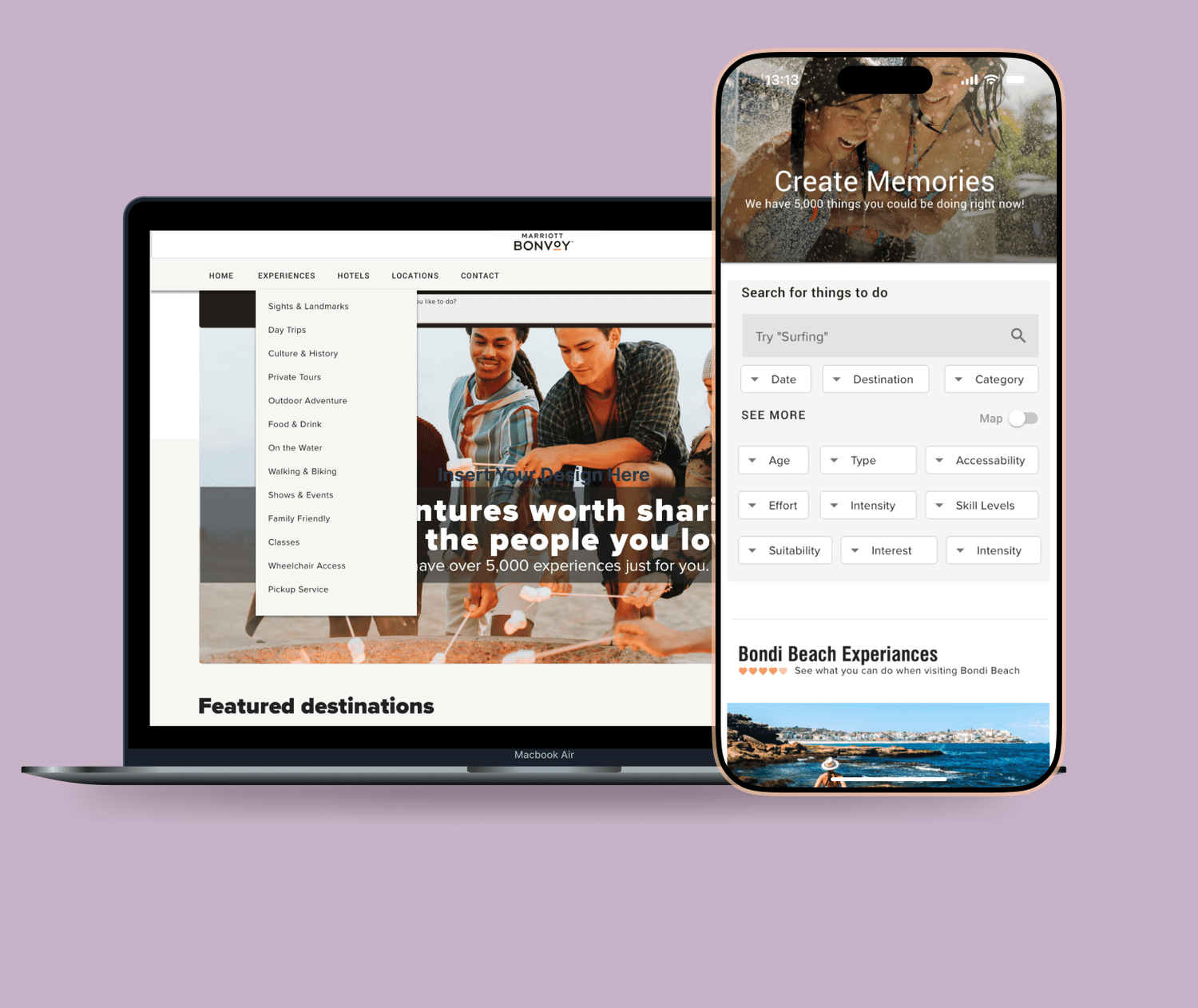
Marriott guests needed a simple way to find enjoyable activities and attractions during their stay. The design challenge was to help them move from an open-ended wish to explore to an experience they could book.
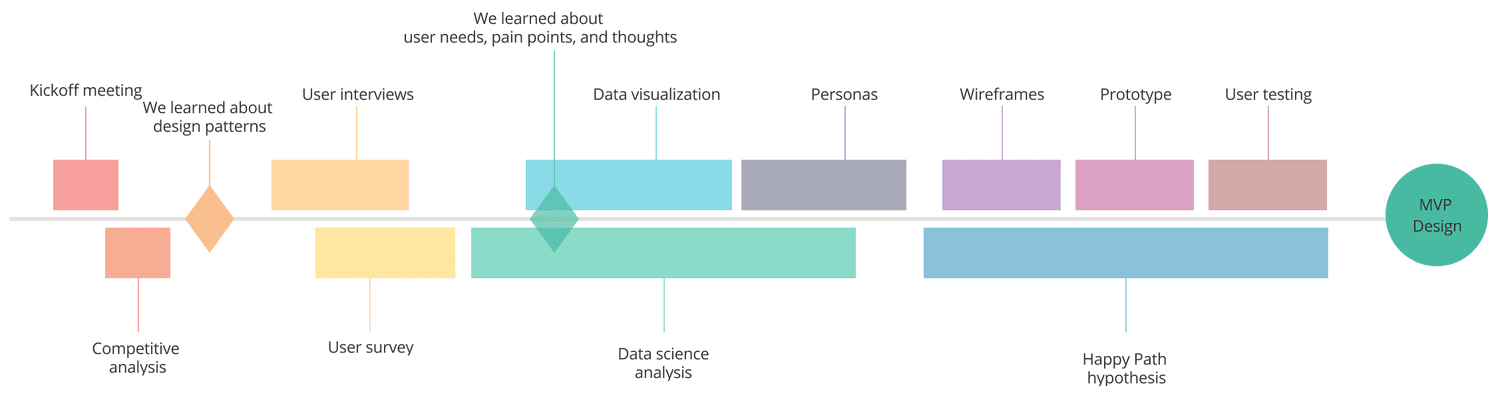
As lead product designer, I led UX research and created mobile and desktop prototypes. I collaborated with product, engineering, data science, marketing, research, and stakeholders, keeping a feedback loop throughout the work.
Understand the traveler and the journey.
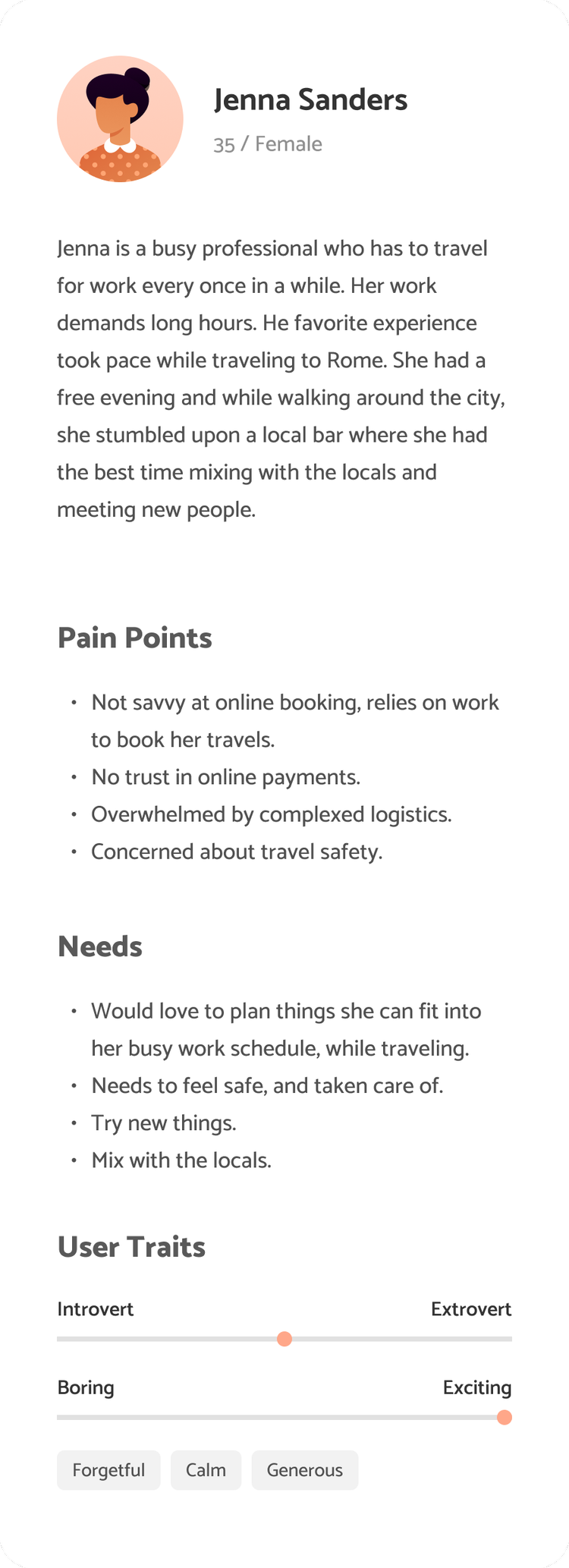
Analytics informed two important audiences: professionals visiting a foreign city with free time to explore, and families planning vacations in advance with a fixed budget. Their different contexts shaped the discovery experience.
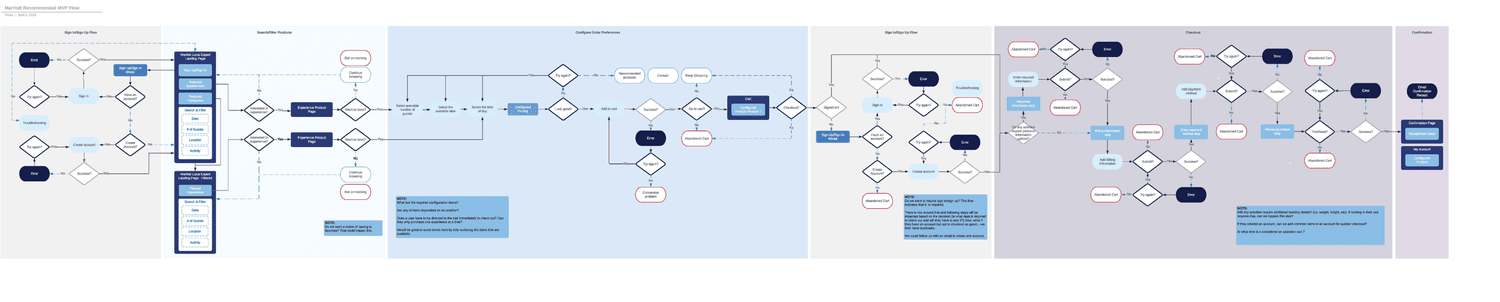
I mapped the booking journey to surface friction and reviewed comparable discovery experiences, including Expedia, Airbnb Experiences, and TripAdvisor. The research informed how to help guests browse, narrow their options, and move toward booking.
Test the navigation, not just the screen.
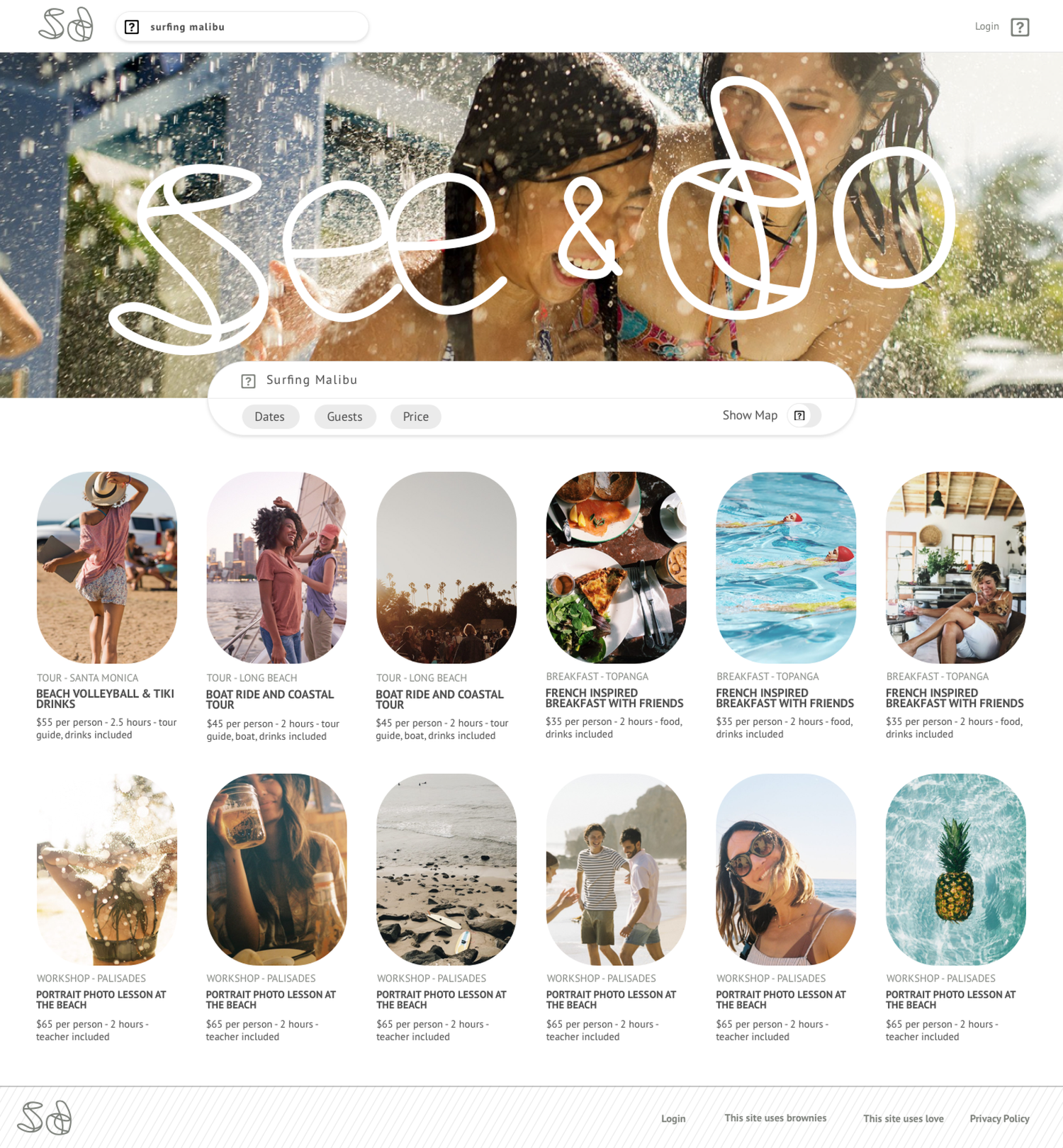
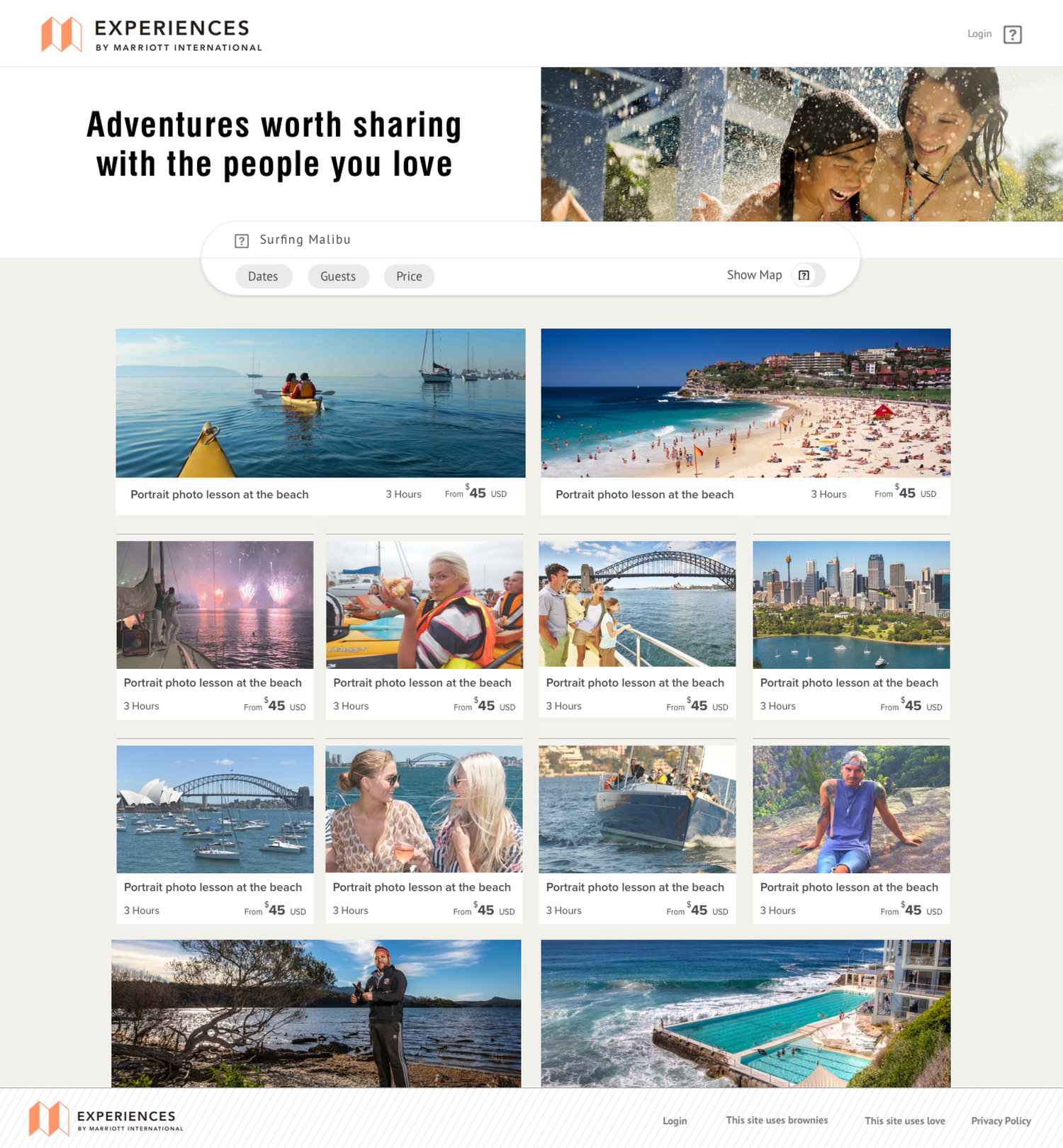
The team explored layouts, visual directions, and user flows through multiple concepts. I tested three distinct prototypes around a central navigation question: could guests find activities even when they were unsure what to search for?
Analytics and prototype feedback helped us challenge assumptions and refine the experience across mobile and desktop.
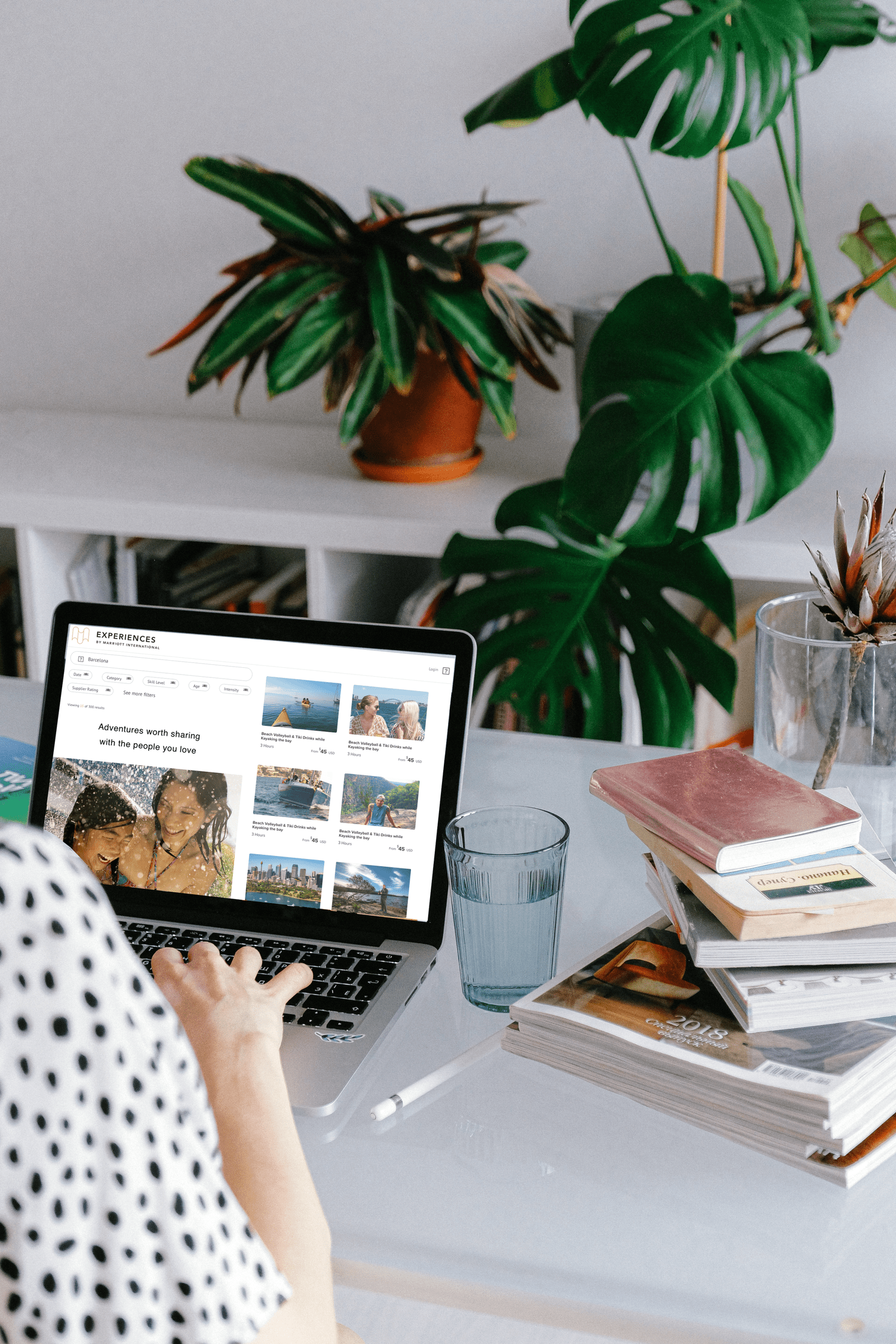
From possibility to a plan.
The final design work connects browsing and discovery with the booking journey. Mobile and desktop layouts carry the same product intent while adapting to the available space and interaction context.
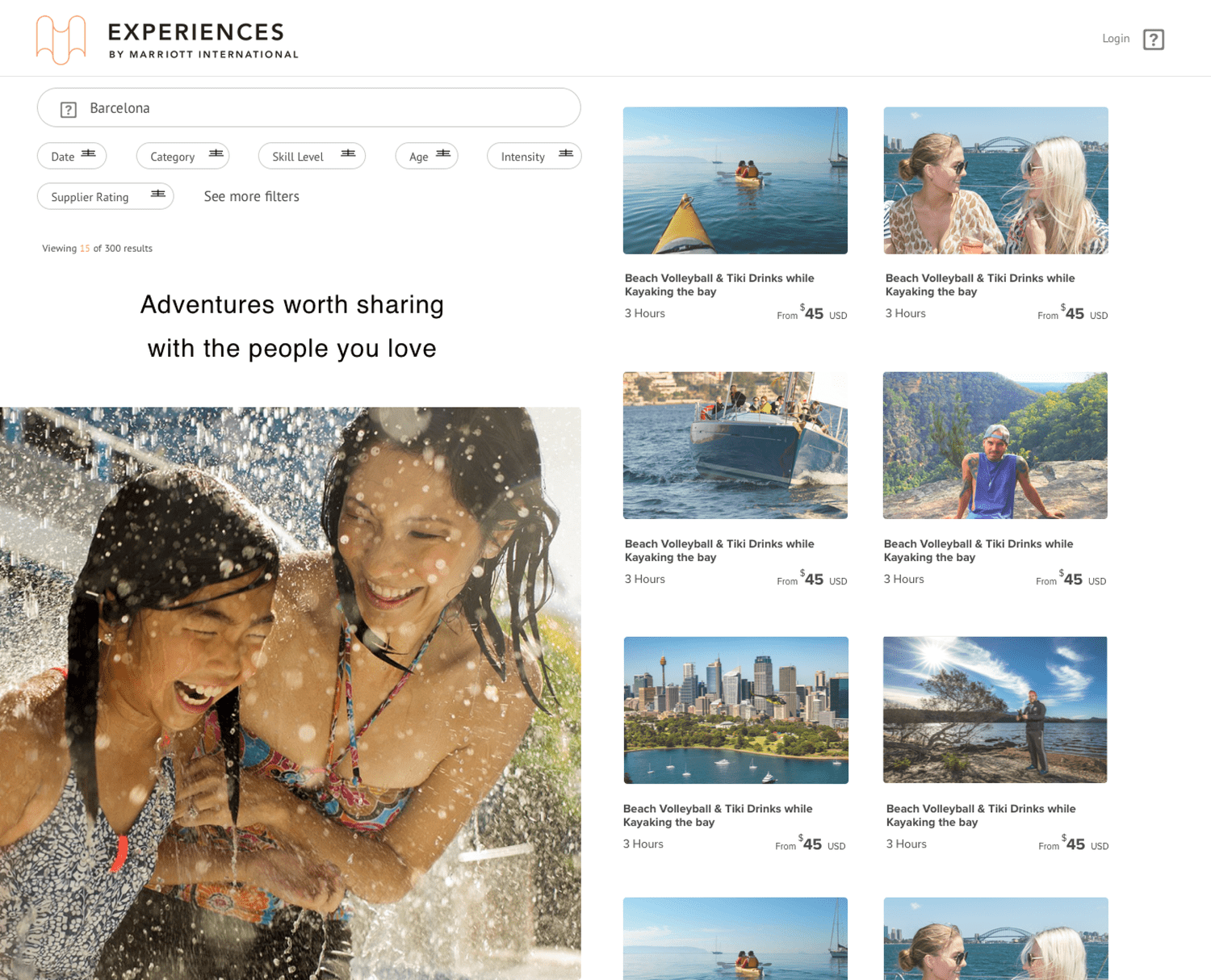
A measurable start.
Average daily bookings per hotel
across the two hotels in the original project.
The original case study reported this result following the MVP. It provides evidence of guest engagement, while the design work demonstrates the research, prototyping, and cross-functional collaboration behind the experience.